

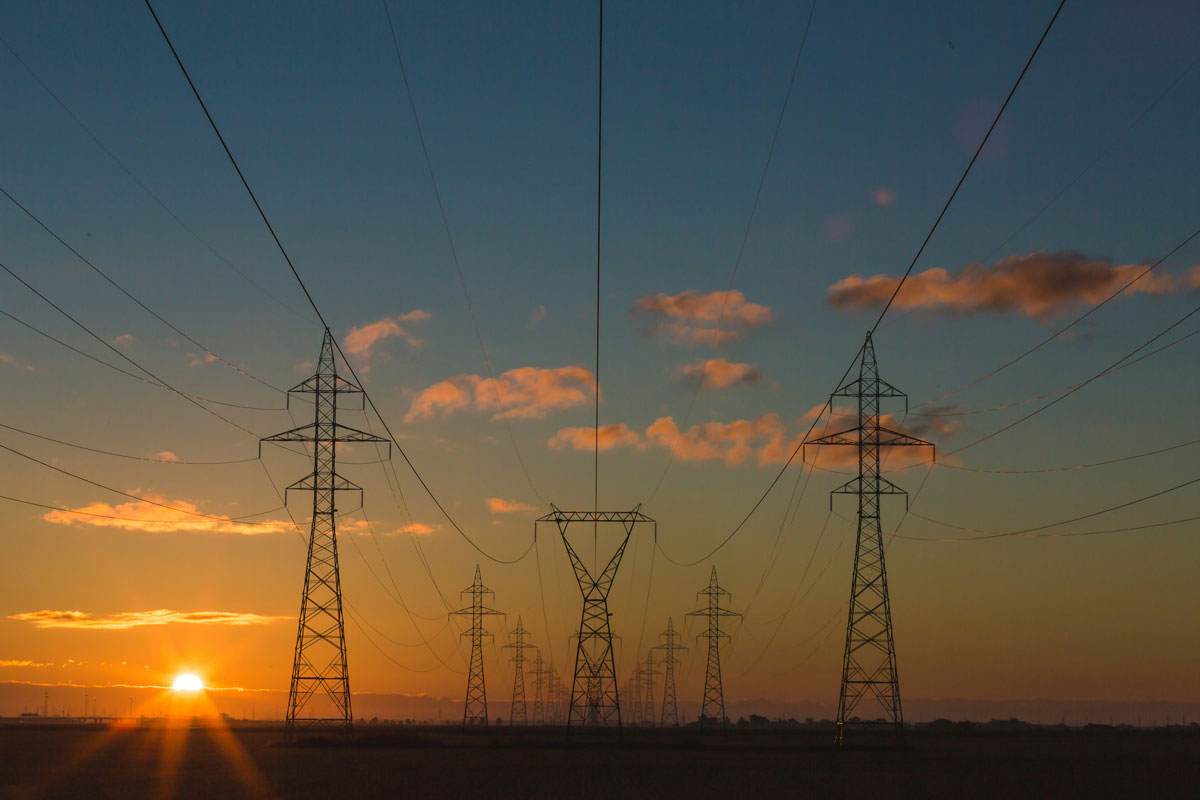
This legislative session in Virginia reflects a clear shift toward managing rapid load growth, modernizing grid planning, and expanding distributed energy resources, all while maintaining reliability and regulatory transparency. Below is a high-level overview of the most significant energy-related bills and what they may mean for stakeholders.
1. Large Load Customers Remain a Central Focus
Virginia continues to grapple with the growth of high-energy-demand customers.
Key Bills:
SB253: Provides that Dominion Energy may directly assign capacity procurement costs imposed by the regional transmission entity and distribution infrastructure investments to customers with a contracted or measured electric demand of 25 MW or greater and an annual electric load factor of 75 percent or greater. It also allows certain manufacturing customers to opt out of the GS-5 customer class.
HB921: Allows nonresidential customers of Appalachian Power or Dominion Energy Virginia with a noncoincident peak demand over five megawatts to purchase electricity from licensed suppliers, expanding eligibility beyond the previous threshold. It also shortens the required notice period for such customers to return to their incumbent utility from five years to 18 months.
HB323: Directs the Virginia Department of Energy to expedite the use of waste heat from data centers by conducting studies, forming a collaborative work group, and submitting a report with recommendations and legislative proposals by September 1, 2026.
HB1151: Allows electric distributors to postpone service when necessary to ensure grid reliability, avoid exceeding capacity limits, or comply with regulatory interconnection policies, with the new rule taking effect July 1, 2027.
HB284: Requires Dominion Energy and Appalachian Power to seek approval for voluntary demand flexibility programs targeting high-energy-demand customers, with cooperatives serving such customers also required to establish similar programs by set deadlines. The bill includes provisions for ongoing status reporting by utilities and annual performance summaries by the State Corporation Commission.
SB377: Allows electric cooperatives to enter into agreements with members to build substations for members with substantial electric demand, specifically those requiring interconnection to transmission lines of 230 kilovolts or higher. Once completed, the member must transfer ownership to the cooperative, which will operate and maintain the substation at the member’s expense, with costs excluded from the cooperative’s general rates and not passed on to other ratepayers.
Takeaway: Virginia is moving toward a more managed approach to large-load interconnection, balancing economic development with grid realities.
2. Distributed Energy Resources and Shared Solar Expansion
The General Assembly is continuing to push forward on distributed energy, with a mix of program expansion and long-term planning initiatives.
Key Bills:
HB285: Creates the Distributed Energy Resources Task Force to develop strategies for integrated energy markets and regulatory compliance in Virginia, with reporting requirements and a sunset date of July 1, 2027.
HB807: Authorizes Dominion Energy Virginia to release an additional 525 megawatts of shared solar program capacity under certain subscription and construction milestones or by July 1, 2026, and requires the utility to seek approval for a third phase of 268 megawatts once phase two is nearly complete. The bill also mandates a regulatory review of program costs and benefits, updates to Commission regulations by December 31, 2026, and implementation filings by utilities by March 1, 2027.
HB1255: Raises the minimum system size for which net metering customers must pay a monthly standby charge from 15 kilowatts to 20 kilowatts.
HB895: Raises the energy storage capacity targets for Appalachian Power and Dominion Energy Virginia, extending the deadlines for achieving both short- and long-duration storage goals. The bill also mandates new technology demonstration programs, regulatory model development, and collaborative work groups to support and incentivize energy storage projects, with reporting requirements to the General Assembly.
Takeaway: Policymakers are signaling continued support for DER growth, but with increasing attention to program design, cost allocation, and system integration.
3. Transmission Lines and Siting Reform
Another group of bills this session focuses, directly or indirectly, on how Virginia plans, approves, and builds transmission infrastructure.
Key Bills:
HB889: Establishes a policy that new electric transmission facilities in Virginia should prioritize existing infrastructure corridors and requires a Department of Transportation work group to streamline siting and permitting in state highway rights-of-way.
HB1487: Gives the State Corporation Commission authority to approve up to four applications for building 500-kilovolt electrical transmission lines underground, as part of a pilot program, for applications filed between January 1, 2025, and July 1, 2033. The bill allows for expedited review of these qualifying applications. It also eliminates certain provisions from the earlier pilot program for underground transmission lines.
HB1491: Requires the State Corporation Commission to ensure new high-voltage transmission lines avoid or minimize impacts on homes and prioritize routes that keep 500-kilovolt overhead lines more than 150 feet away from residences, schools, daycares, and places of worship unless no practical alternative exists.
SB651: Permits certain localities, as defined in the bill, to make agreements with electric utilities to place new or existing electric distribution or transmission lines underground. The locality is responsible for paying the utility’s full additional costs for underground placement or relocation, offset by any applicable relocation credits.
Takeaway: Transmission development will continue, but under tighter scrutiny, with a stronger preference for alternatives where feasible.
4. Grid Modernization and Better Use of Existing Infrastructure
Several bills focus on optimizing the existing grid before building new infrastructure, an approach that could reduce costs and speed deployment timelines.
Key Bills:
HB1065: Instructs Appalachian Power and Dominion Energy Virginia to evaluate interconnection capacity at their existing and planned intermittent generation facilities. The bill also requires the utilities to launch pilot programs for energy storage and solar projects using surplus interconnection service and to report these efforts in their 2027 plans for new solar and wind capacity.
SB267: Requires Virginia’s Department of Energy, working with the State Corporation Commission and major utilities, to analyze current electric infrastructure for ways to reduce costs and enhance reliability instead of building new facilities. The analysis and recommendations must be reported to the General Assembly by December 1, 2026, contingent on adequate voluntary funding for independent consultants.
Takeaway: There is a growing emphasis on “doing more with what we have,” particularly through grid-enhancing technologies and better utilization of existing assets.
5. Major Reforms to Integrated Resource Planning (IRP)
Virginia is making substantial changes to how utilities plan for the future.
Key Bills:
HB429: Makes several changes to the integrated resource plan (IRP) process for electric utilities in Virginia. The bill extends the planning period from 15 to 20 years and requires Appalachian Power to file an IRP by removing its previous exemption. Utilities must now submit IRPs every three years, consider grid-enhancing technologies as alternatives to new transmission lines, and justify when these technologies are insufficient. Additionally, utilities are required to evaluate the use of surplus interconnection service to support new generation and energy storage projects.
HB434: Requires Dominion Energy and Appalachian Power to seek approval from the State Corporation Commission for grid utilization metrics by October 15, 2026, including assessments comparing current grid performance with optimal use of existing assets. The Commission will report annually on these assessments, with a focus on opportunities to improve grid utilization through non-wires alternatives.
HB892: Requires Dominion Energy to include renewable energy compliance forecasts in its integrated resource plan, and the State Corporation Commission is required to investigate load forecasting practices of major utilities by March 1, 2027.
Takeaway: These reforms significantly increase transparency and accountability while pushing utilities to justify infrastructure investments more rigorously.
6. Increased Oversight of PJM and Regional Market Participation
One bill introduces new reporting requirements for utilities and suppliers participating in regional transmission organizations like PJM.
Key Bill:
HB84: This bill requires electric utilities and licensed electricity suppliers that join or create regional transmission entities to submit an annual report to the State Corporation Commission detailing all votes cast, explanations of public interest, and involvement in stakeholder processes regarding grid reliability and management. The reporting requirement excludes certain electric cooperatives.
Takeaway: Virginia is seeking greater visibility into how utilities influence regional market decisions, particularly as those decisions affect reliability and costs.
7. Virginia Clean Economy Act (VCEA) Implementation and Adjustments
Several bills this session revisit or refine elements of the VCEA, the Commonwealth’s foundational clean energy law.
Key Bills:
HB369: Accelerated clean energy buyers can now contract with Appalachian Power or Dominion Energy Virginia for renewable energy certificates without being assigned certain non-bypassable renewable portfolio standard compliance costs, proportionate to their REC purchases.
HB628: This bill updates renewable energy portfolio standards for Dominion Energy Virginia by adjusting compliance timelines, removing minimum capacity requirements for certain renewable projects, and authorizing the State Corporation Commission to evaluate and modify resource requirements in the future. It also establishes a policy favoring solar development on previously developed sites to minimize land-use impacts and aligns with recommendations from the Commission on Electric Utility Regulation.
HB1102: Dominion Energy Virginia and American Electric Power must obtain and retire specific amounts of renewable energy certificates from geothermal heating and cooling systems annually, while the State Corporation Commission will report on this progress by November 1, 2028, and the Real Estate Appraiser Board will establish new training requirements to evaluate property value increases from energy-saving investments.
Takeaway: The General Assembly is not retreating from the VCEA, but it is increasingly focused on how those mandates are executed in practice.
8. Virtual Power Plants (VPPs) and Demand-Side Aggregation
This session also reflects growing interest in virtual power plants (VPPs), aggregated distributed resources that can operate like a single power source.
Key Bills:
HB562: Electric cooperatives are now permitted to create virtual power plant programs by aggregating distributed energy resources, offer battery storage incentives to residential customers, and assess strategies to optimize energy demand.
HB1467: Appalachian Power must seek approval for a pilot program by July 1, 2027, to test technology solutions, including virtual power plants, that optimize demand and assess their capacity to support the electric grid during peak usage.
Takeaway: Virginia is in the early phases of VPP adoption, but policymakers clearly see them as part of the long-term reliability and flexibility solution.
Miscellaneous Energy and Utility Bills
In addition to the major themes above, several bills address more targeted or standalone issues that still contribute to the broader policy landscape.
Key Bills:
HB397: The Department of Environmental Quality and the State Air Pollution Control Board are tasked with creating a market-based program to lower carbon dioxide emissions from power plants in Virginia, in line with the Regional Greenhouse Gas Initiative.
HB903: The bill instructs the State Corporation Commission to organize a work group that will develop a regulatory framework to enhance electric utility performance and report its recommendations to the General Assembly by October 31, 2026.
SB251: The bill tasks the State Corporation Commission with evaluating and recommending whether performance-based regulations to improve electric utility performance and cost controls are in the public interest, with a report due by March 1, 2027.
SB515: The bill renames the Commission on Electric Utility Regulation as the Energy Commission of Virginia, expands its advisory and coordination roles on energy issues, and eliminates the Virginia Coal and Energy Commission.
SB772: The State Corporation Commission’s main responsibility is to ensure that all customers in Virginia receive reliable electricity at fair and reasonable rates.
Takeaway: Not every impactful change is sweeping in scope. Incremental adjustments continue to shape how Virginia’s energy system operates day to day.
Final Thoughts
Taken together, these bills reflect a state at an inflection point. Transmission and infrastructure are under pressure. Distributed energy and VPPs are emerging as important tools. VCEA implementation is evolving in response to real-world constraints. And regulatory oversight and planning rigor are increasing.
Virginia is moving toward a more complex, constrained, and dynamic energy system—one in which flexibility, transparency, and strategic planning will be increasingly important for all stakeholders.

Sorry, the comment form is closed at this time.