

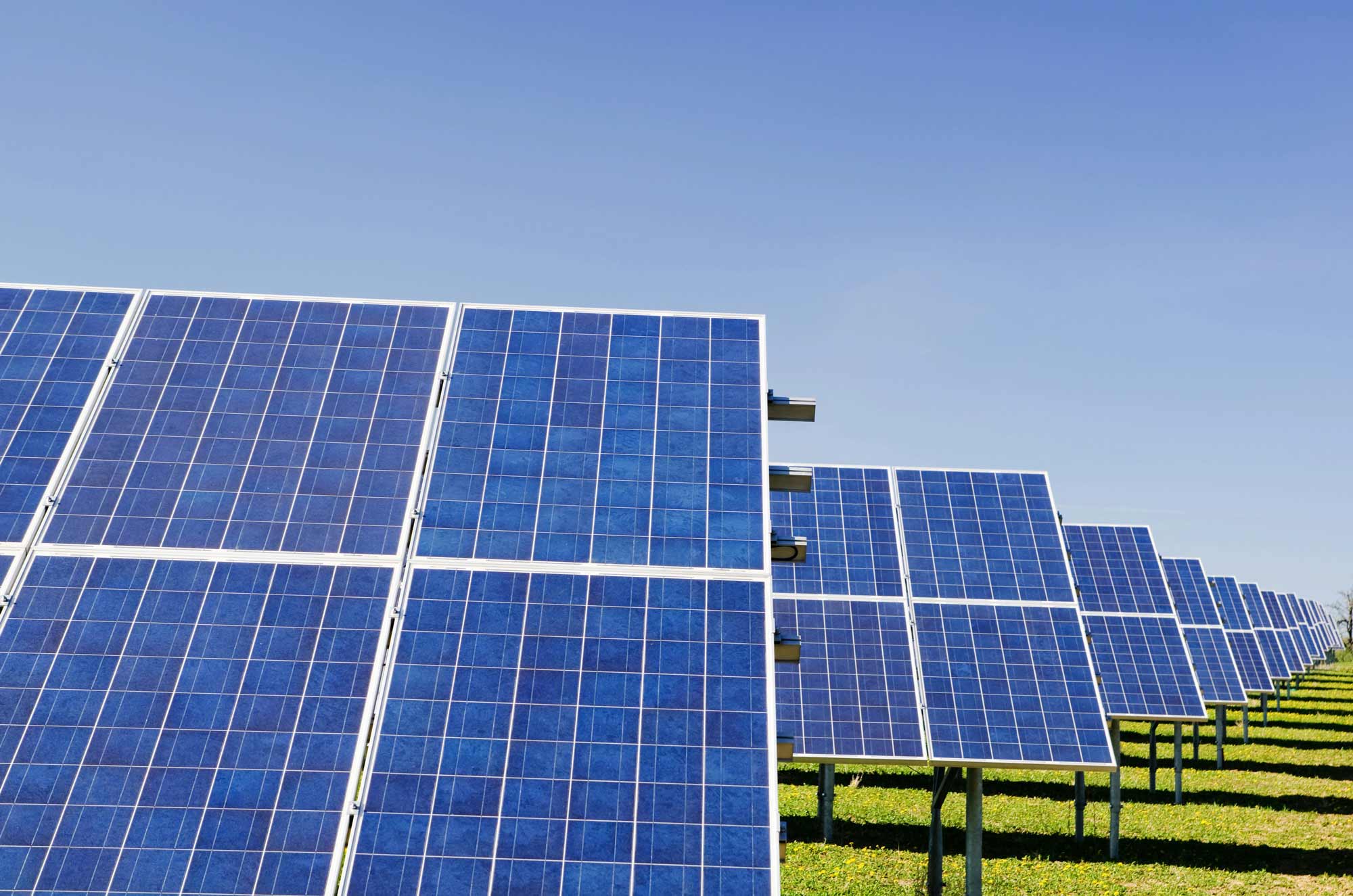
The first half of 2025 saw a big drop in corporate funding for solar and energy storage companies. According to Mercom Capital Group, total funding fell 39% for solar and 41% for storage compared to the first half of 2024. At the same time, project acquisitions and M&A activity are up.
In this case, “corporate funding” refers to capital raised through venture investment, public markets, and corporate debt. The pullback came largely before the One Big Beautiful Bill was finalized in early Q3, during a period of heightened uncertainty around renewable energy incentives. That uncertainty likely led many investors to pause.
At the same time, project acquisitions and M&A activity rose. With capital harder to raise, developers are more willing to sell, and buyers are looking for opportunities to acquire solid assets at more reasonable prices.
Here’s what we’re seeing in the market, and what it might mean for the rest of 2025.
Lower valuations are driving more deal activity
When funding dries up, some projects stall. But for well-positioned buyers, that creates opportunity. Many investors are picking up assets, like solar projects with permits or grid access already in place, at reduced prices.
These assets may still need work to fully develop, but they’ve cleared early development hurdles and can be brought to the finish line with the right capital and team.
According to Mercom, investment firms were the most active acquirers of solar projects in Q2 2025, picking up over 2.1 GW of capacity. They were followed by oil and gas companies (1.53 GW), project developers/IPPs (1.5 GW), and utilities (just 136 MW).
Investors are getting more selective
With policy changes at the federal level, including the phase-out of certain renewable energy tax credits (as further tightened by recently unveiled IRS rules), the economics of solar and storage have changed a bit. But now that those rules are finalized, there’s less uncertainty. And even in the absence of tax subsidies, high demand for clean power driven by hyperscalers building massive new data centers powered by solar and wind is likely to accelerate. It’s probably impossible to overstate how the surging load growth caused by data center development is changing the energy generation industry (while at the same time creating concern about rate affordability among some industry participants).
According to McKinsey, “As part of the RE100 global corporate renewable energy initiative, more than 400 companies from over 175 markets, with a combined annual power demand of over 500 terawatt-hours (TWh), have committed themselves to 100 percent renewable power consumption.”
As a result, investors are still active, but they’re focusing on projects in states and localities where the permitting path is clearer and the policy environment is more stable.
In Virginia, for example, solar development often hinges on the position of a single county board. Understanding how to work with local stakeholders, and where the opportunities and roadblocks lie, can make or break a deal.
Legal and regulatory diligence is critical
As deal volume increases, so do the risks. Before buying a project or platform, investors want to know:
- Are the land use approvals in place?
- Can the interconnection agreement be transferred?
- Are there any existing community or environmental obligations?
- What would it take to move this project forward?
We work with clients to identify potential issues before they become costly surprises.
Storage is behind, but still moving
Energy storage saw bigger drops in funding than solar. But there’s still interest, especially in newer technologies. And as grid reliability becomes more uncertain, we expect more data center projects to invest more in storage in order to ensure a steady supply of power.
Looking ahead
The market is shifting. Big funding rounds may be less common, but deals are still getting done. For developers, this is a good time to assess whether a project is better off being sold, joint ventured, or restructured. For investors, it’s a chance to acquire strong assets at more reasonable prices, as long as the legal groundwork is solid.
If you’re buying or selling solar or storage projects, our team is here to help you navigate the challenges and opportunities ahead.

Sorry, the comment form is closed at this time.