

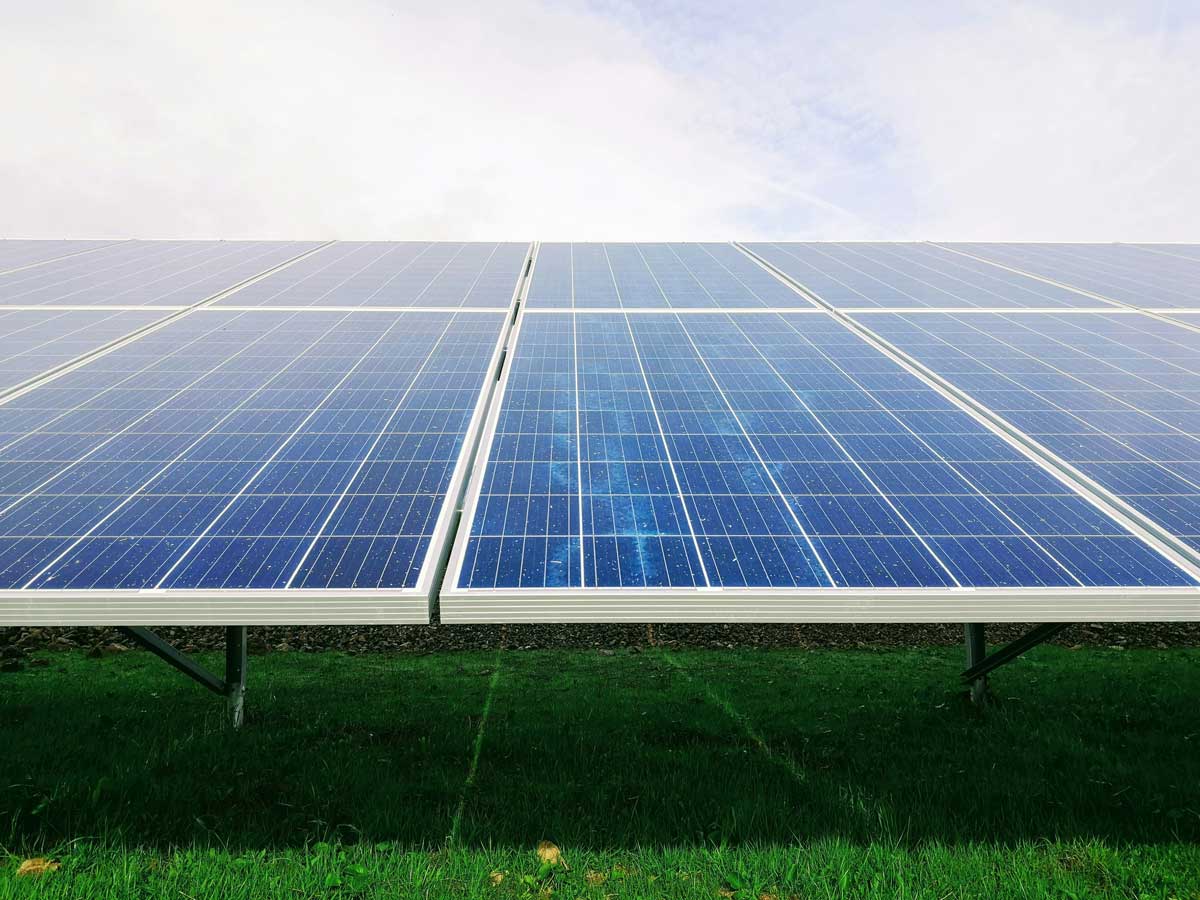
As electricity demand from data centers surges—driven largely by generative AI—many large technology companies are no longer waiting on utilities or regional grid operators to keep up.
Instead, they’re using their own balance sheets to secure solar and battery storage projects directly, giving them more control over timing, siting, and reliability.
Utilities Can’t Move Fast Enough
New data centers often require large power loads under tight construction schedules. But in many regions, interconnection queues are backlogged, transmission upgrades take years, and traditional generation projects face long permitting timelines.
This mismatch is driving urgency. According to reporting on Wood Mackenzie’s Q3 2025 data center outlook, access to power has become the leading constraint on AI-driven infrastructure growth.
Solar + Storage Is the Fastest Path Forward
As we’ve addressed in prior updates, solar—especially when paired with battery storage—offers speed and flexibility in siting. Projects can be located near campuses, built in phases, and connected using private wire or direct-connect configurations that sidestep lengthy utility interconnection processes.
According to Wood Mackenzie:
- Developers added 45 GW of solar and storage capacity to U.S. project pipelines in Q3 2025 alone
- The total U.S. solar + storage pipeline now exceeds 245 GW
- Hyperscalers are driving much of the recent growth, prioritizing locations where they can control access to power
Hyperscalers Are Taking the Lead
Two recent transactions show how large tech companies are changing their approach to power procurement:
- In January 2026, Amazon acquired the 1.2 GW Sunstone solar and battery project out of bankruptcy, taking direct control of a stalled but significant renewable energy asset.
- In December 2025, Google’s parent company, Alphabet, announced a $4.75 billion acquisition of Intersect Power, a developer of large-scale solar and storage projects.
These deals reflect a growing shift from simply buying clean energy to owning or controlling the underlying projects, especially when power delivery timelines are critical.
What It Means for the Market
This approach isn’t limited to a few headline deals. Across the country, developers and large energy users are increasingly pursuing:
- Co-located energy parks
- Behind-the-meter battery systems
- Private transmission or direct-connect infrastructure
- Long-term development partnerships or acquisitions
Solar and storage projects that previously struggled are now being re-evaluated. When these projects are located near high, steady demand (such as a new data center campus), they can offer a faster, more predictable path to delivering power.
Conclusion
Grid constraints and rising demand are reshaping how large users procure power. For hyperscalers and other infrastructure developers, solar and storage now represent the most viable path to securing electricity on a reliable and accelerated timeline.
We expect to see continued growth in private infrastructure investment, creative siting and interconnection strategies, and greater involvement from corporate buyers in the development of renewable energy projects.

Sorry, the comment form is closed at this time.