

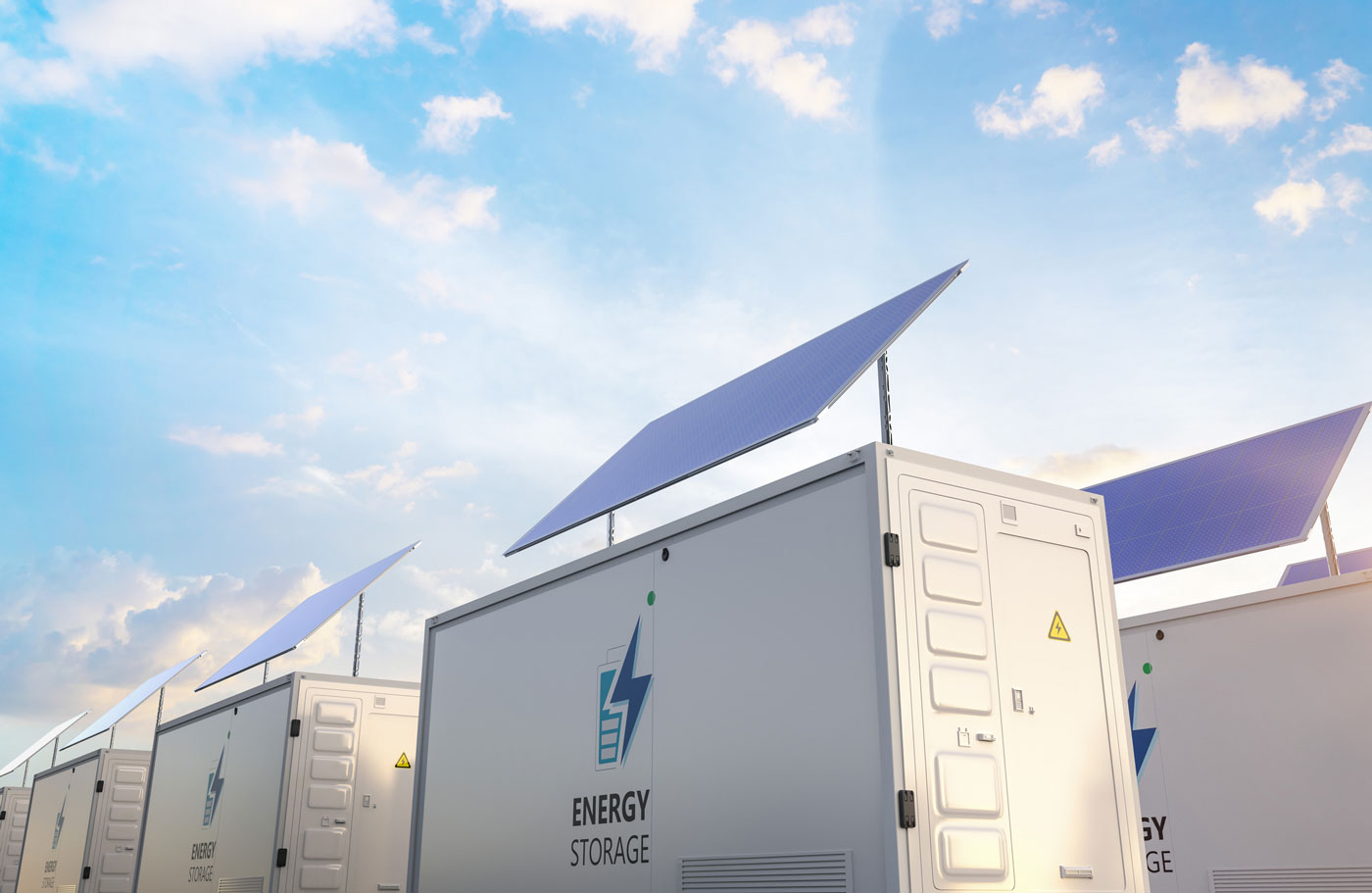
After years of uncertainty, the U.S. energy storage market is entering a period of rapid expansion. The U.S. Energy Information Administration (EIA) expects utility-scale battery capacity to more than double to nearly 65 GW by the end of 2026, up from just 17 GW in early 2024. Growth is being driven by a mix of policy clarity, economics, and the increasing need for flexible power as data centers and renewables reshape demand.
For Virginia, where electricity demand growth is among the fastest in the country, this shift has direct implications. Data centers, which now represent more than 20% of Dominion Energy’s load, are fueling massive investments in grid reliability—and energy storage is becoming central to that effort.
Policy Clarity and Market Momentum
The One Big Beautiful Bill Act (OBBBA), enacted in July, cut incentives for wind and solar but left stand-alone storage credits untouched. This decision effectively decoupled storage from the policy fate of other renewables, giving developers more confidence to move forward on long-term projects.
Industry analysts say this policy certainty—combined with high power prices and growing peak demand—has created one of the strongest markets for storage in U.S. history. Storage is being treated as essential grid infrastructure.
The EIA notes that utilities are increasingly using batteries for energy price arbitrage, charging when electricity is cheap and discharging during expensive evening peaks. In 2024, two-thirds of all utility-scale storage capacity participated in arbitrage, and more than 40% used it as their primary function.
Data Centers and Distributed Resources
Data center growth is reshaping the power landscape. In PJM—where Dominion operates—the rise of hyperscale facilities has spurred utilities to look beyond traditional generation for ways to meet soaring load. Wood Mackenzie reports that virtual power plant (VPP) deployments increased 33% in 2025, with strong activity in PJM and ERCOT regions where data center expansion is concentrated.
These distributed systems aggregate smaller storage units and flexible loads to provide capacity and grid services at scale. They will be integral for meeting the Virginia Clean Economy Act mandates of 2.7 GW of energy storage by 2035 as part of the state’s transition to 100% carbon-free electricity by 2050. Dominion’s most recent integrated resource plan goes further, calling for 4.1 to 4.6 GW of storage over the next 15 years.
That shift is already underway. In September, Swift Current Energy secured $242 million in financing for the 150-MW Prospect Power Storage project in Rockingham County, which will sell output to Dominion Energy Virginia under a 15-year contract. Once complete in 2026, it will be the largest battery facility in the PJM system.
Barriers and Bottlenecks
Even as financing flows in, the industry faces challenges. The OBBBA’s “foreign entity of concern” provisions limit tax credits for batteries containing Chinese-made components—a real constraint for a supply chain still heavily dependent on imports.
At the state level, Virginia developers must also navigate local land-use ordinances that are evolving as counties gain more experience with large-scale solar and storage projects.
Still, the long-term outlook remains strong. PJM alone has more than 30 GW of storage in its interconnection queue.
Conclusion
Energy storage is moving from “nice-to-have” to “need-to-have.” Federal policy stability, clear state targets under the VCEA, and massive load growth from data centers are combining to make Virginia one of the country’s most important testbeds for storage integration.
With national capacity set to double by 2027 and projects like Prospect Power setting new benchmarks, the coming years will define how effectively storage can deliver both reliability and decarbonization.
For developers, investors, and local governments, understanding how these policy, market, and infrastructure factors align will be essential in shaping Virginia’s next decade of energy development.

Sorry, the comment form is closed at this time.